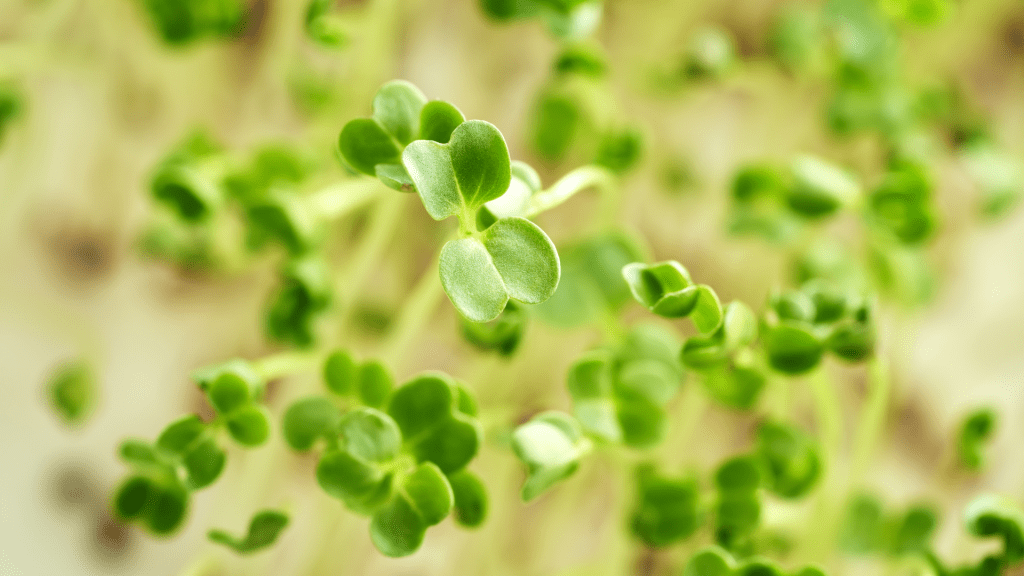
Microgreens are nutrient-packed greens that are not just visually appealing but also a powerhouse of vitamins and minerals. But what exactly are microgreens, and why are they essential in today’s health-conscious world? Let us understand why people who prioritize their health are giving more importance to microgreens.
What Are Microgreens?
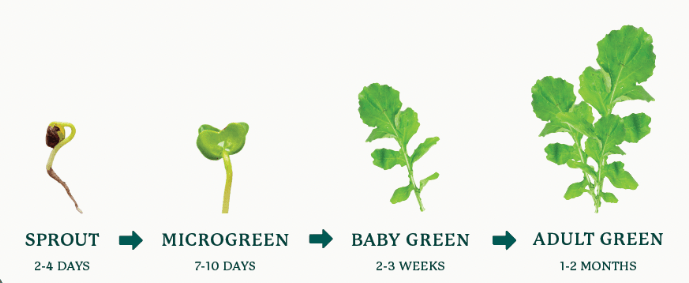
Microgreens are young vegetable greens that are approximately 1 to 3 inches tall. They are harvested just after the first leaves develop, making them more mature than sprouts but younger than baby greens. Available in a variety of flavors, textures, and colors, microgreens are derived from seeds of vegetables, herbs, and even grains.
Popular Types of Microgreens:
- Broccoli
- Radish
- Sunflower
- Pea Shoots
- Mustard
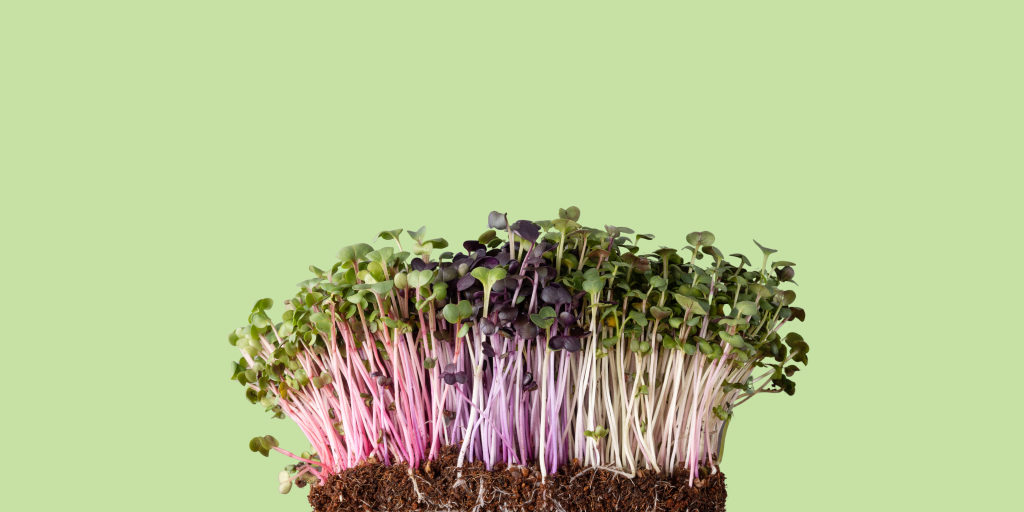
These greens are generally grown in cocopeat, soil or hydroponically and typically take 7 to 15 days to reach harvestable size. Despite their small stature, microgreens pack a punch when it comes to nutrients and flavor.
Why Are Microgreens Important?
Microgreens aren’t just a fleeting trend; they offer tangible benefits that make them an essential addition to diets worldwide. Here’s why they matter:
- Nutritional Powerhouse
Studies show that microgreens contain up to 40 times more nutrients than their mature counterparts. They are rich in vitamins such as A, C, E, and K, minerals like calcium, magnesium, and iron, and are an excellent source of antioxidants. This makes them a convenient way to boost daily nutritional intake.
- Supports Immune Health
The high concentration of vitamins and antioxidants helps bolster the immune system, aiding the body in fighting off illnesses and maintaining overall health.
- Enhances Digestive Health
Microgreens are a good source of fiber, which is crucial for maintaining a healthy digestive system. Their enzymes also aid in breaking down food, making nutrients more accessible.
- Sustainable and Easy to Grow
One of the biggest advantages of microgreens is their sustainability. They require minimal resources, grow quickly, and can be cultivated in small spaces, making them an eco-friendly choice. Even urban dwellers can grow microgreens on a windowsill or balcony.
However, achieving the perfect balance of freshness, taste, and nutrition takes experience. While growing microgreens at home is rewarding, it does require care and attention to avoid issues like mold.
- Versatile in Culinary Uses
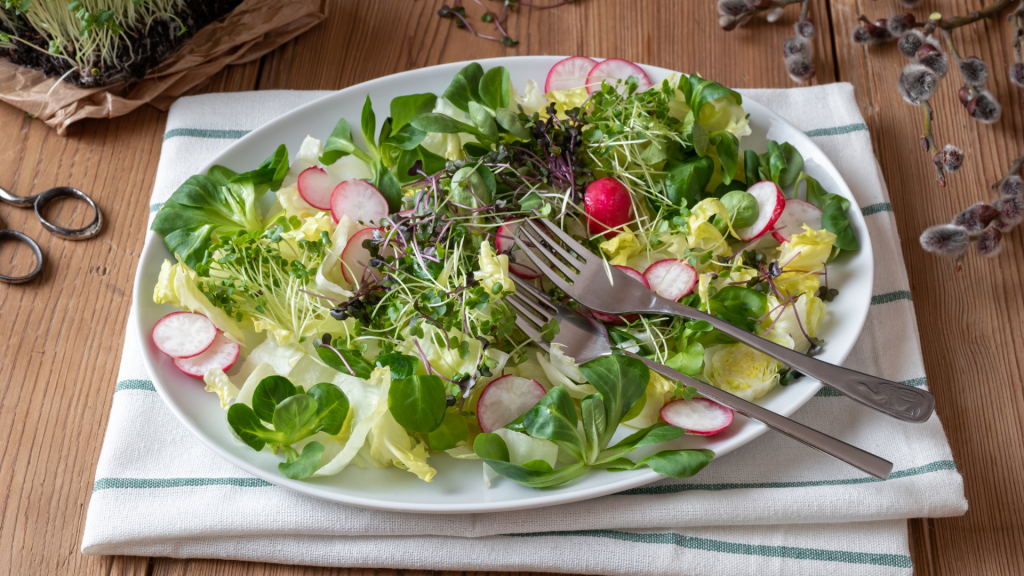
Chefs and home cooks love microgreens for their vibrant colors, unique flavors, and delicate textures. They can be used to elevate salads, sandwiches, smoothies, soups, and more, adding both aesthetic appeal and nutritional value to dishes.
How to Incorporate Microgreens Into Your Diet
Integrating microgreens into daily meals is simple and rewarding. Here are a few ideas:
- Salads: Use microgreens as a base or garnish for a nutrient-packed salad.
- Smoothies: Blend them into your morning smoothie for a vitamin boost.
- Soups: Sprinkle on top of soups for added flavor and a fresh, vibrant look.
- Wraps and Sandwiches: Replace lettuce with microgreens for an added crunch and nutrition.
Conclusion
Microgreens are more than just a trendy garnish; they are a sustainable, nutrient-dense superfood that can revolutionize your health and culinary experience. Whether you’re looking to boost your immune system, support digestion, or simply add a burst of flavor to your meals, microgreens are a must-have.
If you’ve never tried microgreens before, we encourage you to include them in your meals for just a week or a month and see the difference they can make to your health and energy levels. Whether you grow them yourself or purchase them locally, this small addition could lead to big benefits!
For more tips, recipes, and information on microgreens, explore our blog and stay updated on the latest trends in nutrition and sustainable living.
 House of Microgreens