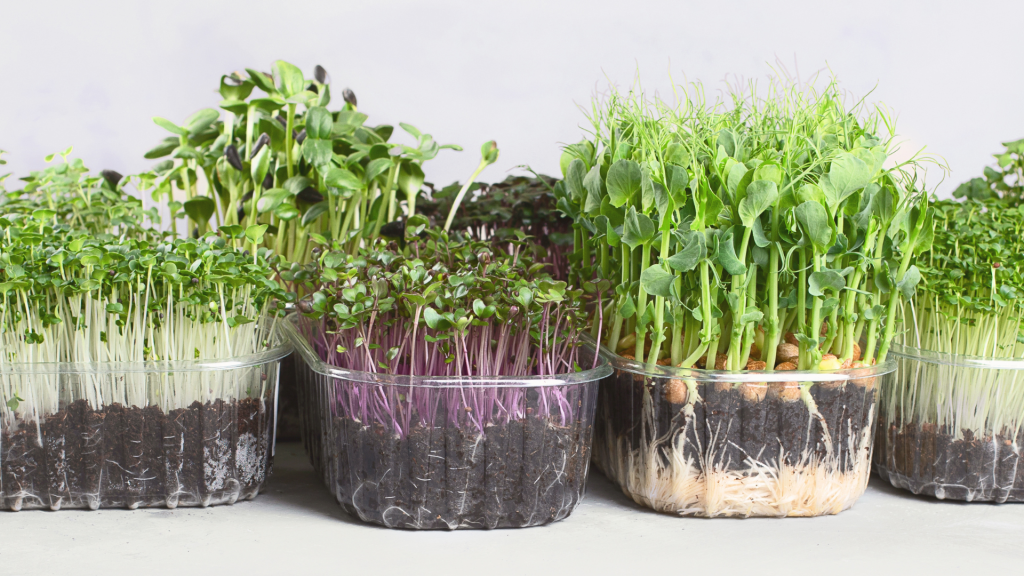
Microgreens are more than just a food trend, they’re a nutrient-packed addition to any meal, offering strong flavors and impressive health benefits. These tiny greens are easy to grow, versatile in the kitchen, and brimming with essential vitamins and minerals. Here are the top 5 microgreens you should know about and why they’re worth incorporating into your diet.
1.Sunflower Microgreens
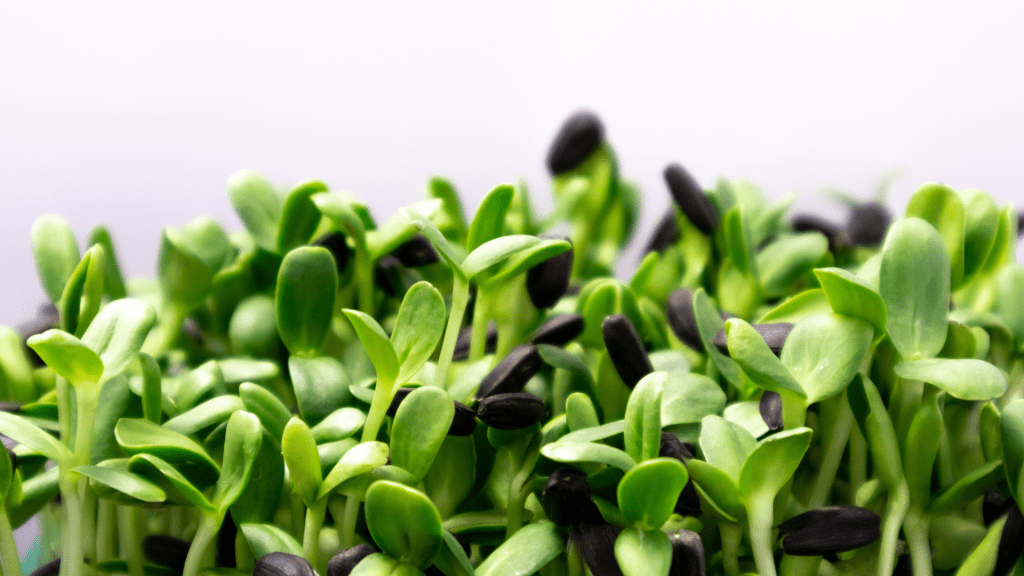
Flavor: Nutty and slightly sweet.
Nutritional Benefits:
- Packed with Vitamin E, a powerful antioxidant.
- Rich in zinc, magnesium, and healthy fats.
- Boosts immunity and promotes healthy skin.
Uses:
- Add sunflower microgreens to salads, smoothies, or sandwiches for a crunchy texture and a burst of nutrients.
- Enjoy them fresh and raw as a snack. Their delightful nutty flavor makes them a delicious and healthy treat on their own.
- Mix them with dosa chutney for a unique twist.
- Use them as a filling or garnish for chapathi/roti rolls, combining them with vegetables or paneer for a tasty and healthy meal.
2.Radish Microgreens
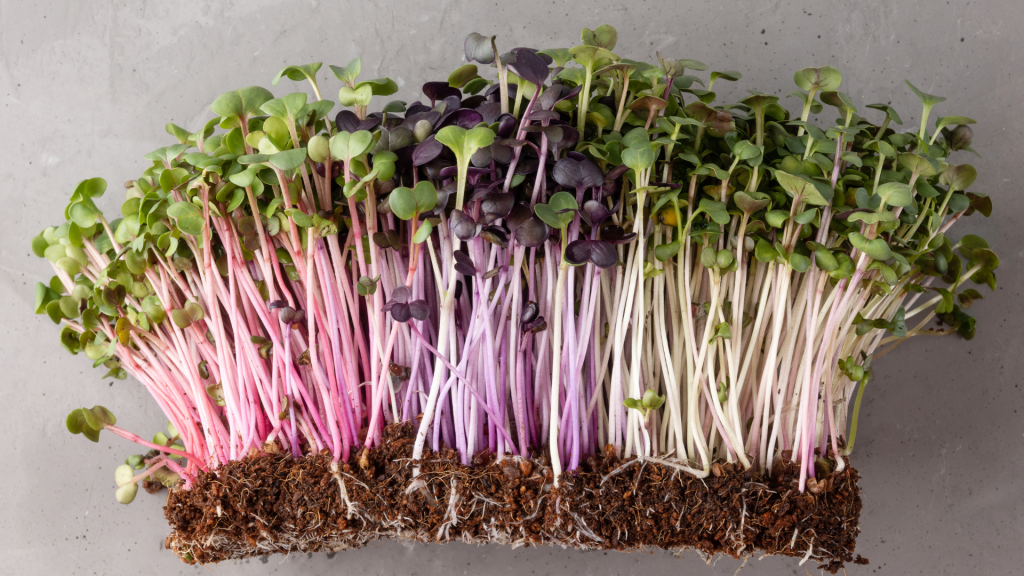
Flavor: Spicy and peppery, similar to mature radish.
Nutritional Benefits:
- High in Vitamin C and folate.
- Contains compounds that support liver health.
- Known to help with digestion and reduce inflammation.
Uses:
- Perfect for garnishing tacos, soups, or even omelets for a spicy kick.
- Enjoy their spicy and peppery flavor raw as a palate cleanser.
- Sprinkle on top of tacos, pizza, or soup for a burst of flavor.
- Mix them into raita or yogurt for a refreshing accompaniment.
3.Broccoli Microgreens
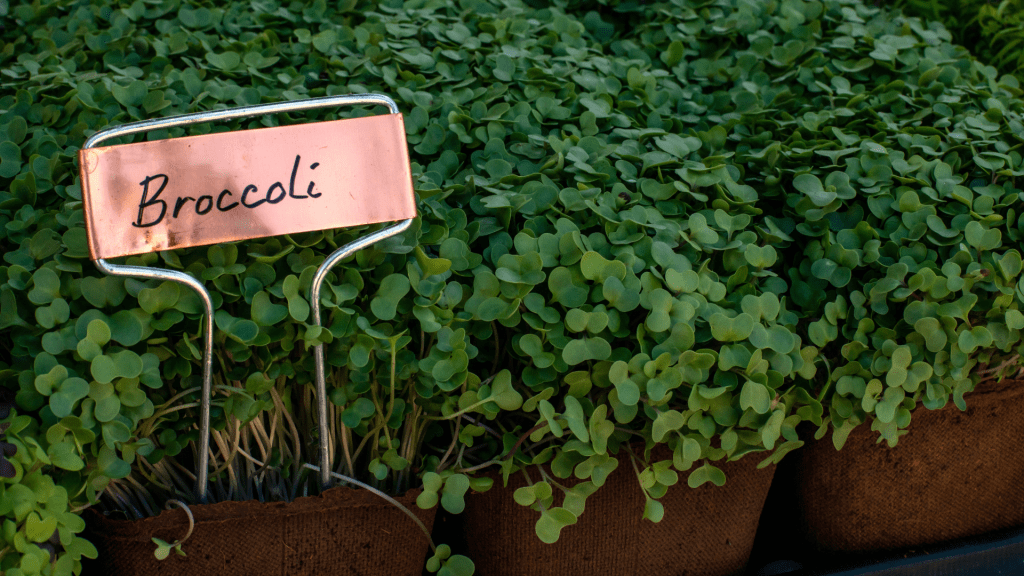
Flavor: Mild and slightly bitter.
Nutritional Benefits:
- Rich in sulforaphane, a compound with potent anti-cancer properties.
- Supports heart health and reduces inflammation.
- Packed with Vitamins A, C, and K.
Uses:
- Toss broccoli microgreens into salads, sprinkle them over avocado toast, or blend them into green smoothies.
- Use as a garnish on dal or khichdi.
- Green moong sprout, lemon and broccoli microgreen, trust me, you will fall in love with this mix.
- Add to soups like tomato or cream of broccoli just before serving.
4.Pea Shoots
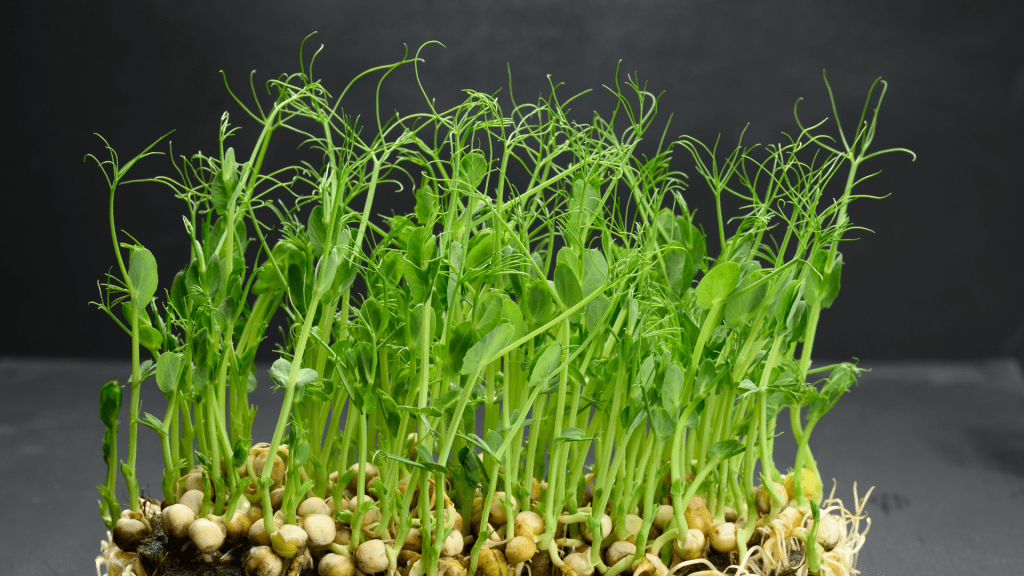
Flavor: Mild and sweet with a hint of fresh peas. might feel a bit fibrous than other microgreens.
Nutritional Benefits:
- Rich in protein, making them ideal for plant-based diets.
- Loaded with Vitamin K for strong bones.
- A good source of Vitamin C and folate.
Uses:
- Toss pea shoots into stir-fries, spring rolls, or salads for a sweet, crisp flavor.
- Use as the base of a salad or mix with other greens.
- Use as a filling in rolls, wraps, or sandwiches.
5.Mustard Microgreens
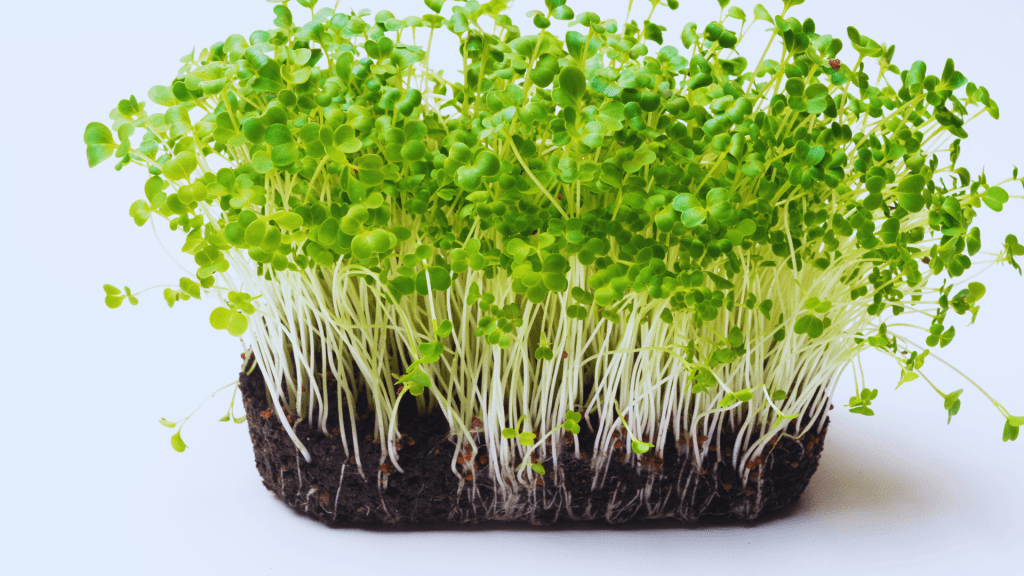
Flavor: Not everyone’s cup of tea. Their bold, spicy flavor is unique—give them a try and decide for yourself if they’re your new favorite!”
Nutritional Benefits:
- High in glucosinolates, which have cancer-fighting properties.
- Boosts digestion and metabolism.
- Contains Vitamins A, C, and E.
Uses:
- Use mustard microgreens as a topping for burgers, curries, or roasted vegetables to add heat and depth.
- Mix into raita, chutneys, or chaat for an extra zing.
- Include them in homemade pickles or relish for a spicy note.
Why These Microgreens?
These five microgreens stand out due to their flavor profiles, ease of growth, and remarkable health benefits. Whether you’re a grower or buying them fresh from the market, incorporating these into your meals can elevate both taste and nutrition.
Pro Tip: Store microgreens in a breathable container in the fridge to keep them fresh for up to a week.
Also read on: 10 Reasons Why Microgreens Are the Superfood You Need Today
 House of Microgreens