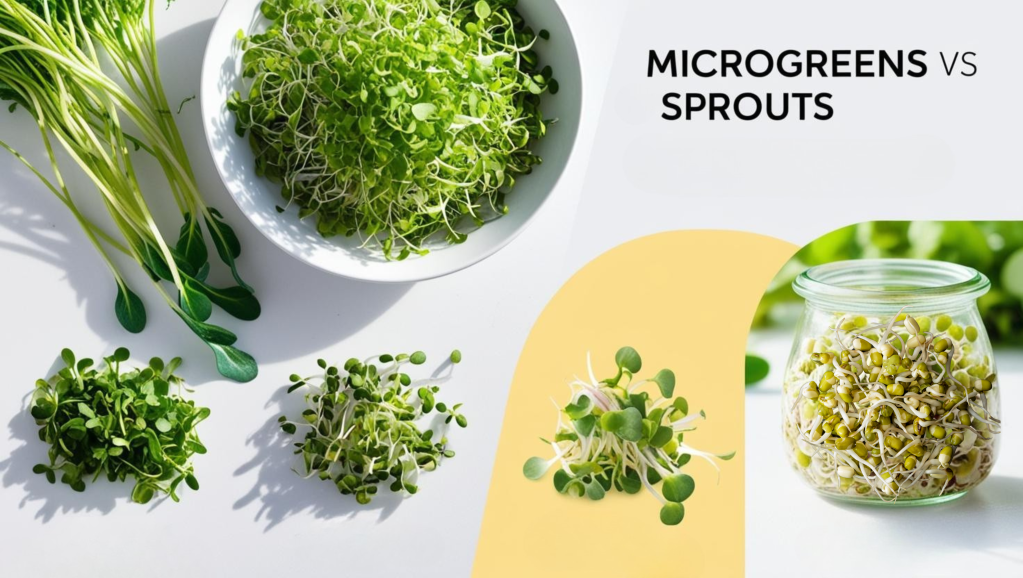
When it comes to nutrient-dense, easy-to-grow superfoods, microgreens and sprouts are two popular choices. While they may seem similar, there are key differences between them in terms of growth methods, nutritional value, texture, and usage. Understanding these differences can help you decide which one suits your diet and lifestyle best.
1. Growth Process
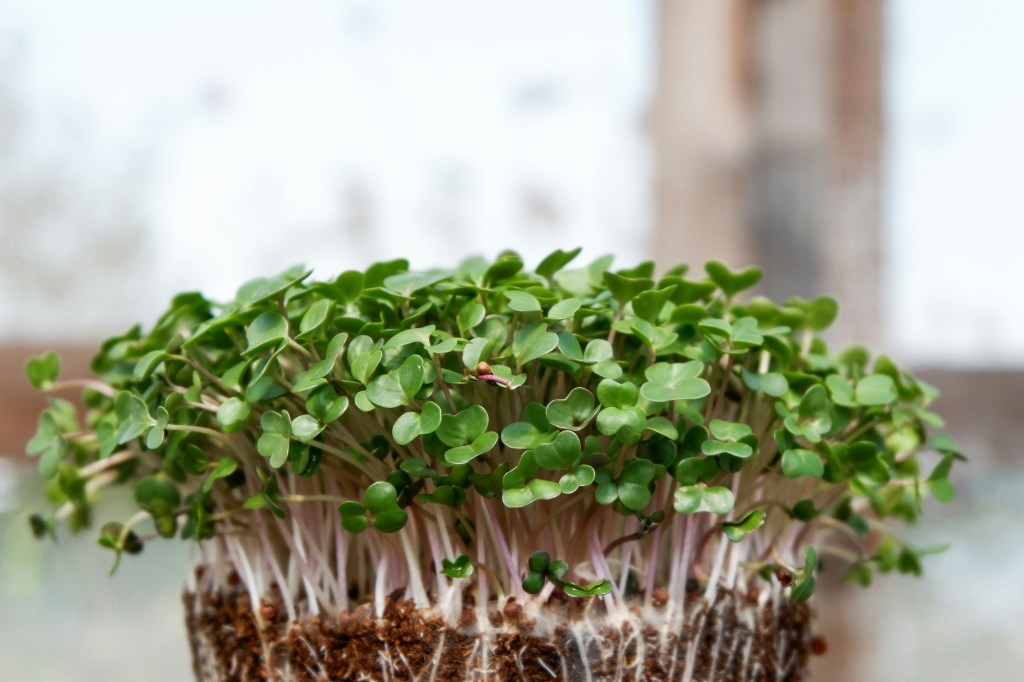
- Microgreens: Microgreens are young vegetable greens grown in coco peat or another growing medium such as soil or coir bed, requiring sunlight or grow lights to develop. They are harvested usually within 7–21 days.
- Sprouts: Sprouts are germinated seeds that are grown in water without soil or light. They are typically ready to eat within 2–7 days.
2. Appearance and Texture
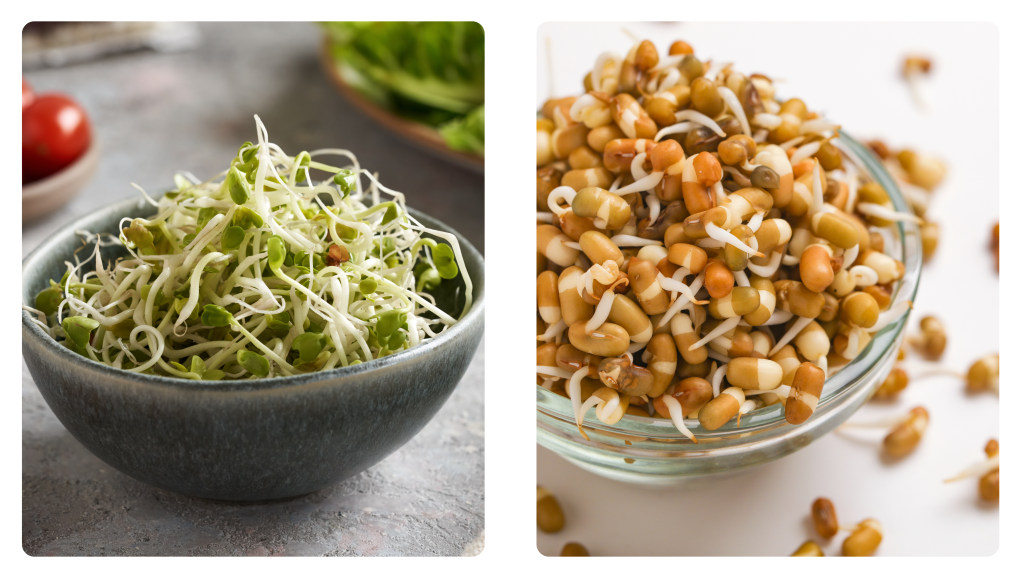
- Microgreens: Microgreens have a more developed stem and leaf structure, resembling miniature versions of fully grown plants. Only the stems and leaves are consumed, while the roots remain in the growing medium.
- Sprouts: Sprouts are small, delicate shoots with thin stems. They are usually eaten whole, including the seed, root, and shoot.
3. Nutritional Value
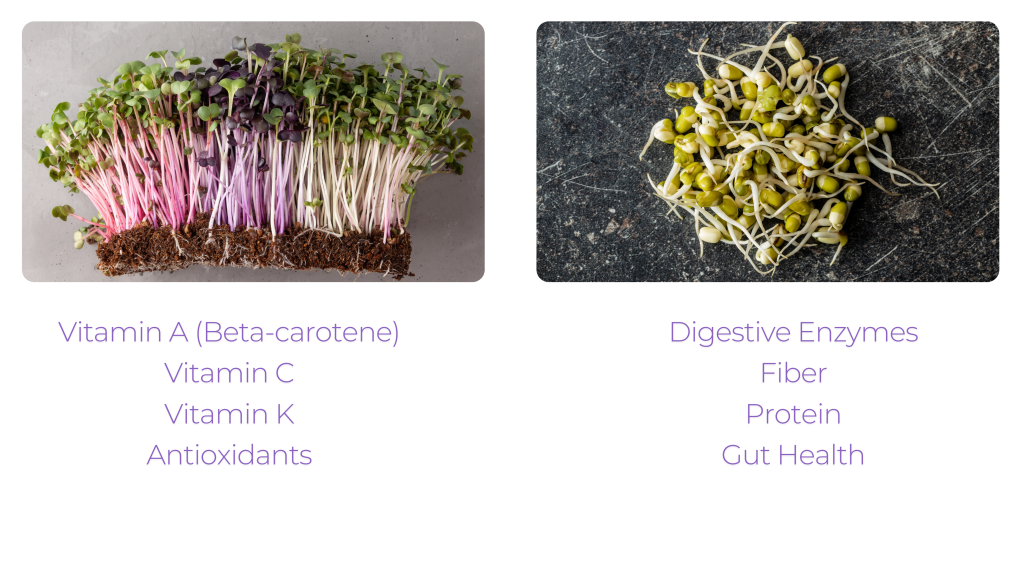
- Microgreens: Microgreens have higher concentrations of vitamins, minerals, and antioxidants compared to mature plants. They are rich in vitamin K, vitamin C, beta-carotene, and polyphenols, which contribute to various health benefits.
- Sprouts: Sprouts are packed with enzymes, making them easily digestible. They contain high amounts of protein, fiber, and essential vitamins like vitamin C and B vitamins.
also read on: 10 Reasons Why Microgreens Are the Superfood You Need Today
4. Safety and Contamination Risks
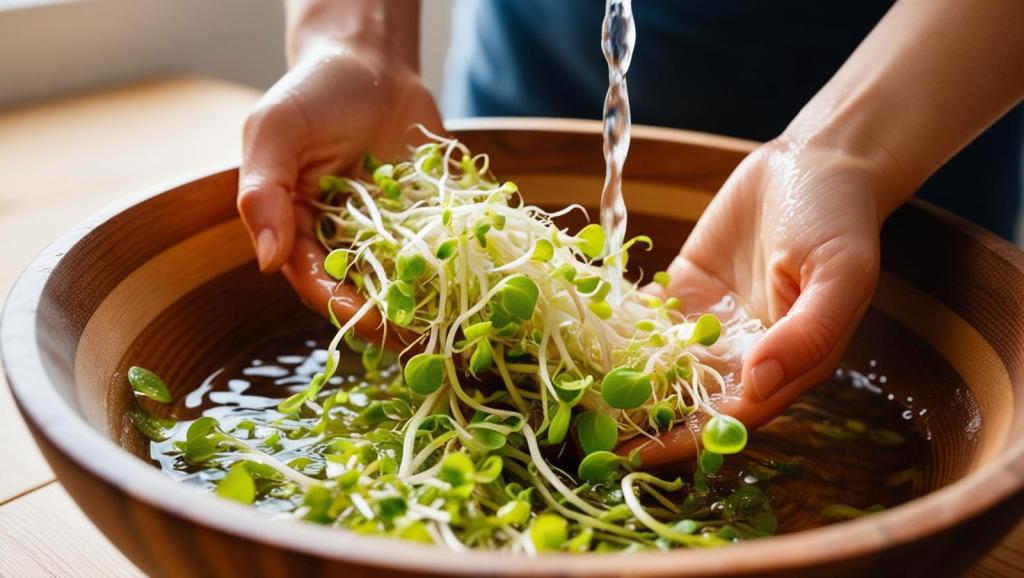
- Microgreens: Microgreens have a lower risk of contamination because they are grown in soil and harvested above the growing medium. They require minimal washing before consumption.
- Sprouts: Since sprouts are grown in a warm, humid environment without soil, they have a higher risk of bacterial contamination, such as E.coli or Salmonella. Proper hygiene and rinsing are essential.
5. Usage and Culinary Applications
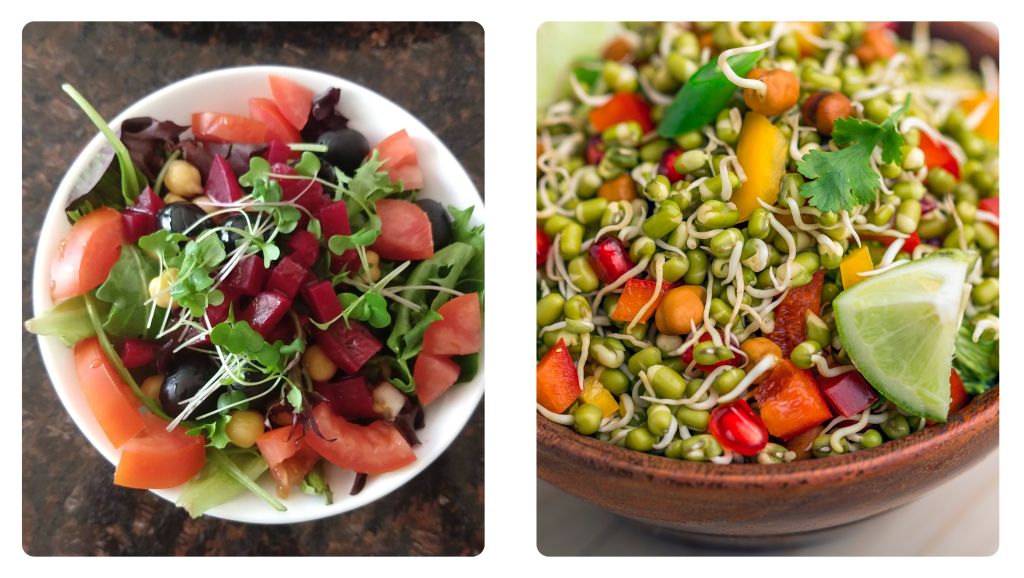
- Microgreens: Microgreens are more versatile, used as garnishes, in salads, sandwiches, soups, and even cooked dishes (sambar/gravy) or even consumed directly. They provide a variety of flavors, from mild to spicy, depending on the type of microgreen.
- Sprouts: Sprouts are commonly used raw in salads, sandwiches, wraps, Indian dal or sambar. They have a mild, fresh taste and crunchy texture.
Which One Should You Choose?
Both microgreens and sprouts offer unique health benefits and can be included in a balanced diet. If you prefer a quick and easy growing method, sprouts might be the right choice. However, if you’re looking for a more nutritious and flavorful option with lower contamination risks, microgreens are the way to go.
Whichever you choose, incorporating these small but mighty greens into your meals can be a great way to boost your health naturally!
 House of Microgreens