Have you ever wondered how fresh the greens on your plate really are?
From the time leafy vegetables are harvested at farms to the moment they reach supermarket shelves, they often travel long distances and spend hours or even days in storage. While they still provide essential nutrition, this journey can influence how vibrant, crisp, and flavourful they feel when you finally consume them. This is where microgreens have started gaining attention. Harvested at a very young stage and often grown locally.
Understanding this difference can help you make more mindful choices about what goes onto your plate.
Journey of Supermarket Greens
Most leafy greens available in supermarkets go through a long supply chain before reaching your plate.
Typically, the process looks like this:
- Greens are harvested in bulk from farms
- They are washed, sorted, and packed
- Transported over long distances
- Stored in cold storage or retail shelves
- Finally purchased and taken home
Even under good storage conditions, time naturally affects freshness.
Leaves may begin losing moisture, texture, and flavour. Nutrient levels can also gradually change depending on how long the produce has been stored and how it has been handled.
This does not mean supermarket greens are bad. They still provide essential vitamins, fibre, and minerals. However, the time gap between harvest and consumption can influence how fresh they feel and taste.
How Microgreens Are Different?
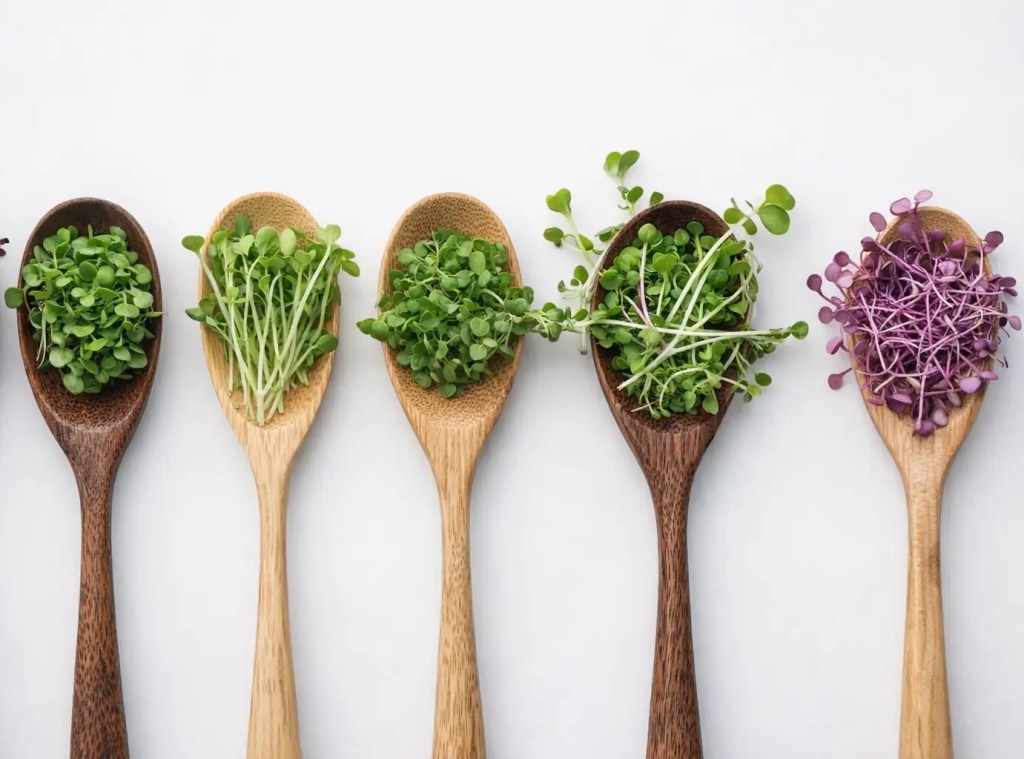
Microgreens are harvested at a very early stage of plant growth, usually within 7 to 14 days after germination. Because they are grown in smaller batches and often locally, the journey from harvest to plate can be significantly shorter.
In many cases, microgreens are:
- Harvested just before delivery or consumption
- Grown in controlled indoor environments
- Not subjected to long transport or storage cycles
- Consumed within hours or a few days of harvesting
This shorter timeline is one of the biggest reasons people perceive microgreens as fresher.
When you eat something that was cut recently, you can often notice:
- Brighter colour
- Stronger aroma
- More vibrant taste
- Crisp texture
These sensory factors strongly influence how we experience freshness.
Does Fresher Always Mean More Nutritious
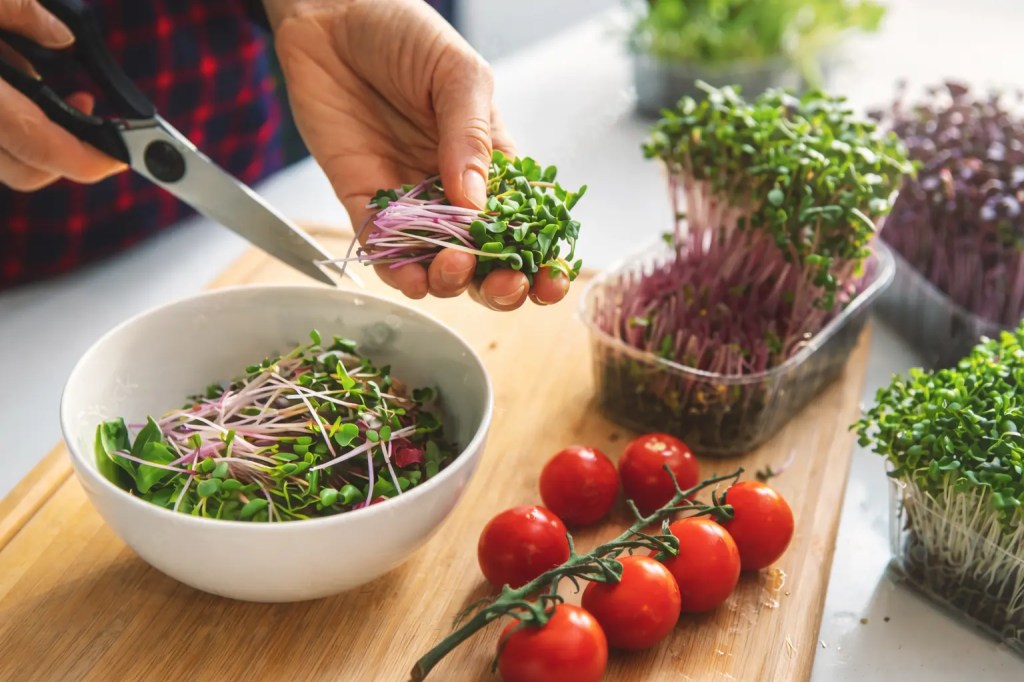
Freshness and nutrition are related but not identical.
Some research suggests that microgreens can contain concentrated levels of certain nutrients because they are harvested during an active growth phase. However, nutrient content depends on many variables such as seed variety, growing method, storage conditions, and preparation.
Similarly, supermarket greens still offer substantial nutritional value and should remain a regular part of a balanced diet.
The key takeaway is this:
Microgreens can complement traditional greens rather than replace them.
They can add diversity, flavour intensity, and freshness to everyday meals.
also read on: Microgreens vs. Sprouts: What’s the Difference?
Importance of Local Growing and Minimal Storage
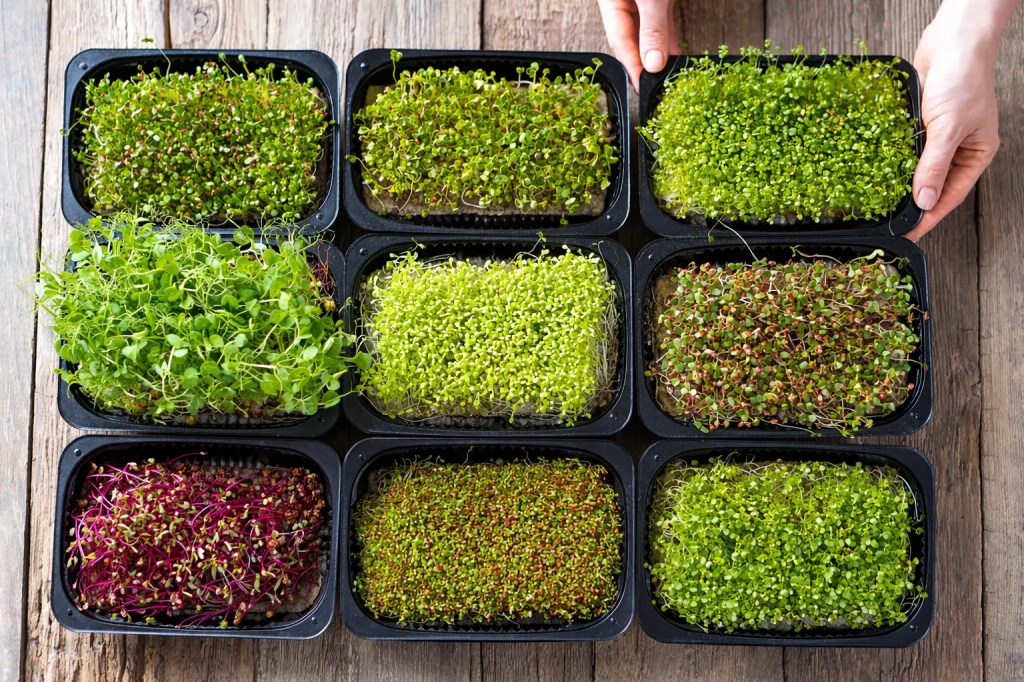
One major advantage of microgreens is the concept of hyper local food.
When greens are grown closer to where they are consumed, several benefits naturally follow:
- Reduced transport time
- Less handling and packaging stress
- Lower dependency on preservatives or extended refrigeration
- Faster delivery to consumers
This aligns with a growing global movement where people prefer food that is:
- Seasonal
- Locally grown
- Traceable
- Freshly harvested
Microgreens fit well into this lifestyle shift.
Taste and Experience Matter!

Freshness is not only a scientific metric. It is also a sensory experience.
Many first time users notice that microgreens bring a noticeable flavour boost to simple dishes. A handful added to:
- Sandwiches
- Salads
- Soups
- Smoothies
- Breakfast bowls
can make meals feel more lively and satisfying.
Because they are harvested young, microgreens often carry intense plant flavours ranging from mild and nutty to peppery and slightly sweet.
This makes them appealing even for people who are trying to improve their eating habits.
Should You Choose Microgreens Over Supermarket Greens

It does not have to be an either or decision.
A practical approach is to combine both.
Use regular greens like spinach, coriander, or lettuce for volume and cooking. Add microgreens as a finishing ingredient to enhance freshness, taste, and visual appeal.
This balanced method allows you to enjoy:
- Nutritional variety
- Culinary creativity
- A fresher eating experience
without drastically changing your routine.
What This Means for Your Daily Plate

You do not need to replace supermarket greens entirely to experience the difference freshness can make. Everyday greens will always remain a part of regular cooking. Microgreens simply offer a way to elevate what you already eat.
A small handful added to salads, sandwiches, breakfast bowls, or warm home meals can instantly enhance flavour, texture, and visual appeal. Because they are harvested young and often grown locally, they bring a sense of vibrancy that many people begin to notice from the very first try.
Over time, choices like these help build a more conscious approach to food.
Small upgrades in what we eat today can slowly shape habits that move us towards a more sustainable way of living.
also read on: Top 5 Microgreens You Should Know About
 House of Microgreens